Javier Mendoza  /  The Animals  /  Land
Giants · Land

African Elephant

Loxodonta africana

The African savanna elephant is the biggest land animal alive, and one of the most social. Families are led by the oldest female, and they remember.

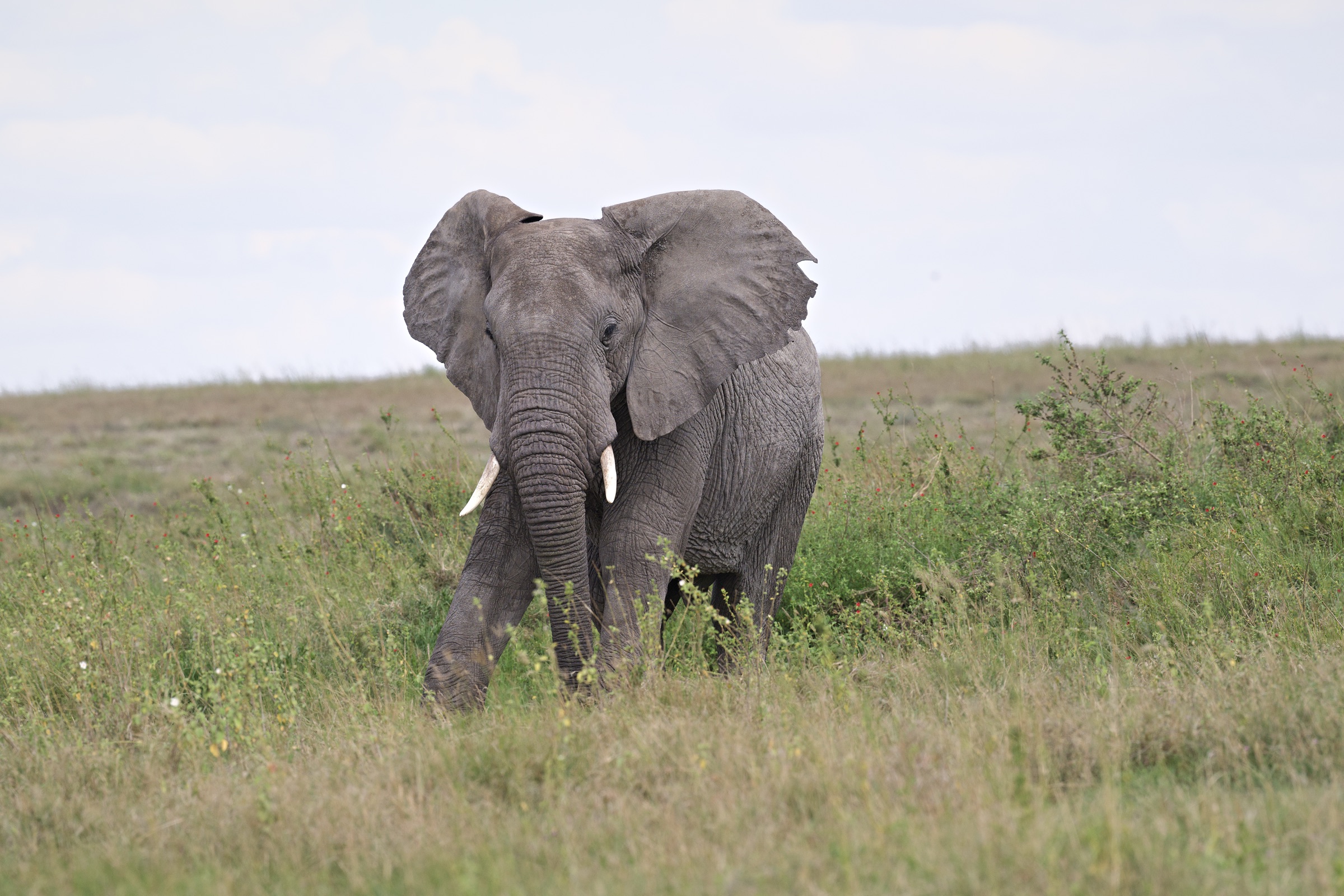
A lone bull elephant with ears flared, walking through tall grassland.
African Elephant · Amboseli · © Javier MendozaOrder this print
~13,000 lb
A big bull, about 6 tonnes; up to 13 ft at the shoulder
National Geographic
~22 mo
Pregnancy, the longest of any mammal
Smithsonian's National Zoo
Teeth
Tusks are elongated incisors; they grow for life
Smithsonian's National Zoo
Endangered
IUCN Red List, 2021; numbers fell at least 60% over 50 years
IUCN

A matriarch's family

Elephant society is built around females. A family of related mothers, daughters and calves follows its oldest female, the matriarch, whose memory of water and routes matters most in a drought. Bulls leave the family as teenagers and spend most of their adult lives alone or in loose bachelor groups.

They eat for most of the day, up to several hundred pounds of grass, bark and branches, and in doing so they shape the savanna, opening woodland and spreading seed.

Amboseli

Amboseli, below Kilimanjaro in Kenya, is home to the longest study of wild elephants anywhere: the Amboseli Elephant Research Project has followed the same families since 1972. Its elephants are among the best known individuals in Africa, and the park holds some of the continent's last big tuskers.

The IUCN moved the savanna elephant to Endangered in 2021 after populations fell by at least 60% over 50 years, mostly to ivory poaching and loss of range. Amboseli's population has grown over the same period, which is why it matters.
In the collection

3 frames · prints from 12″ to 40″+
A lone bull elephant with ears flared, walking through tall grassland.
African ElephantAmboseli

A lone bull moves through waist-high grass, dwarfed by the openness of the plain he crosses.

View & order this print →
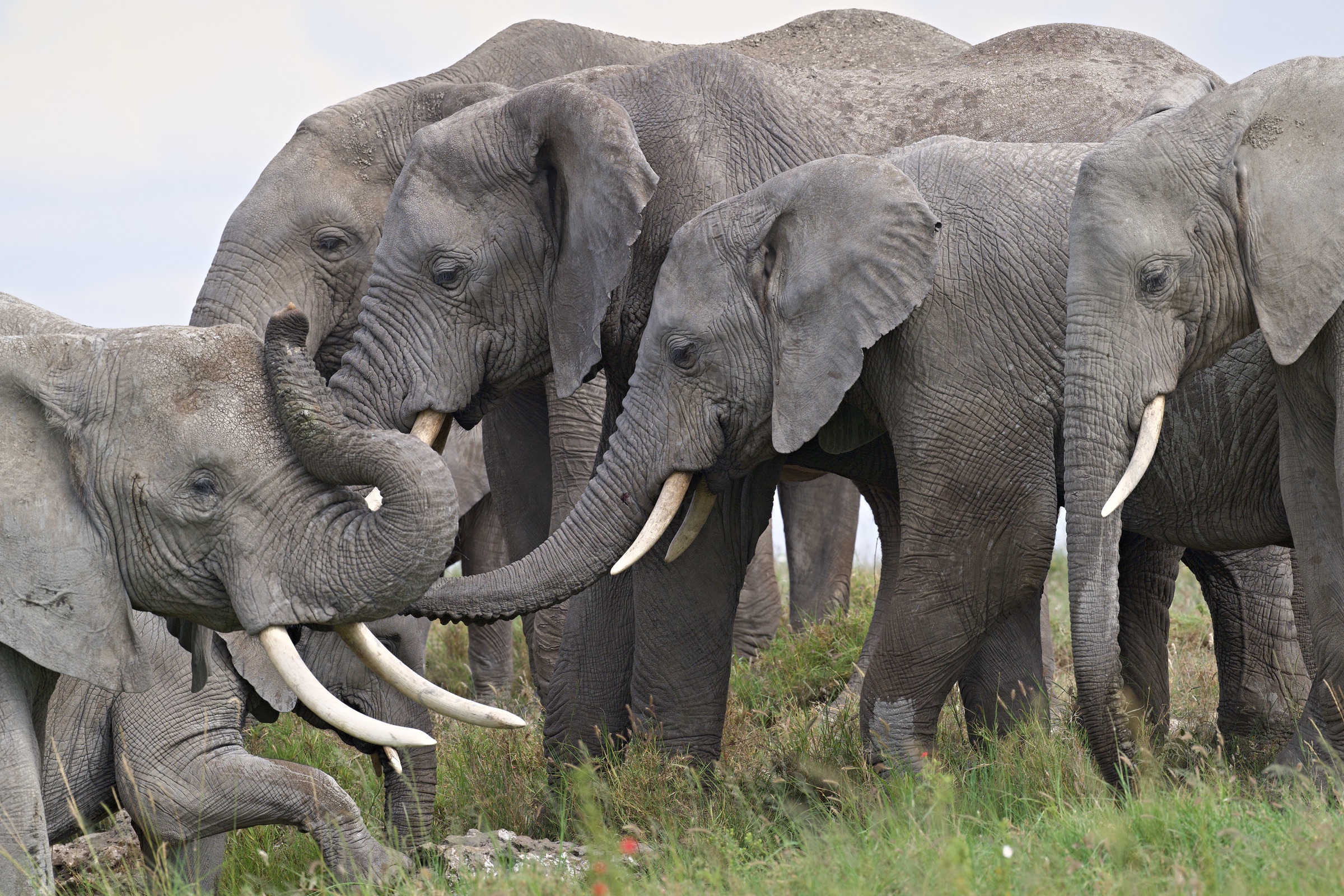
A tightly packed herd of elephants, several with tusks.
The HerdAmboseli

A family moves as one wall of grey and ivory — the matriarch's line, close and unhurried.

View & order this print →
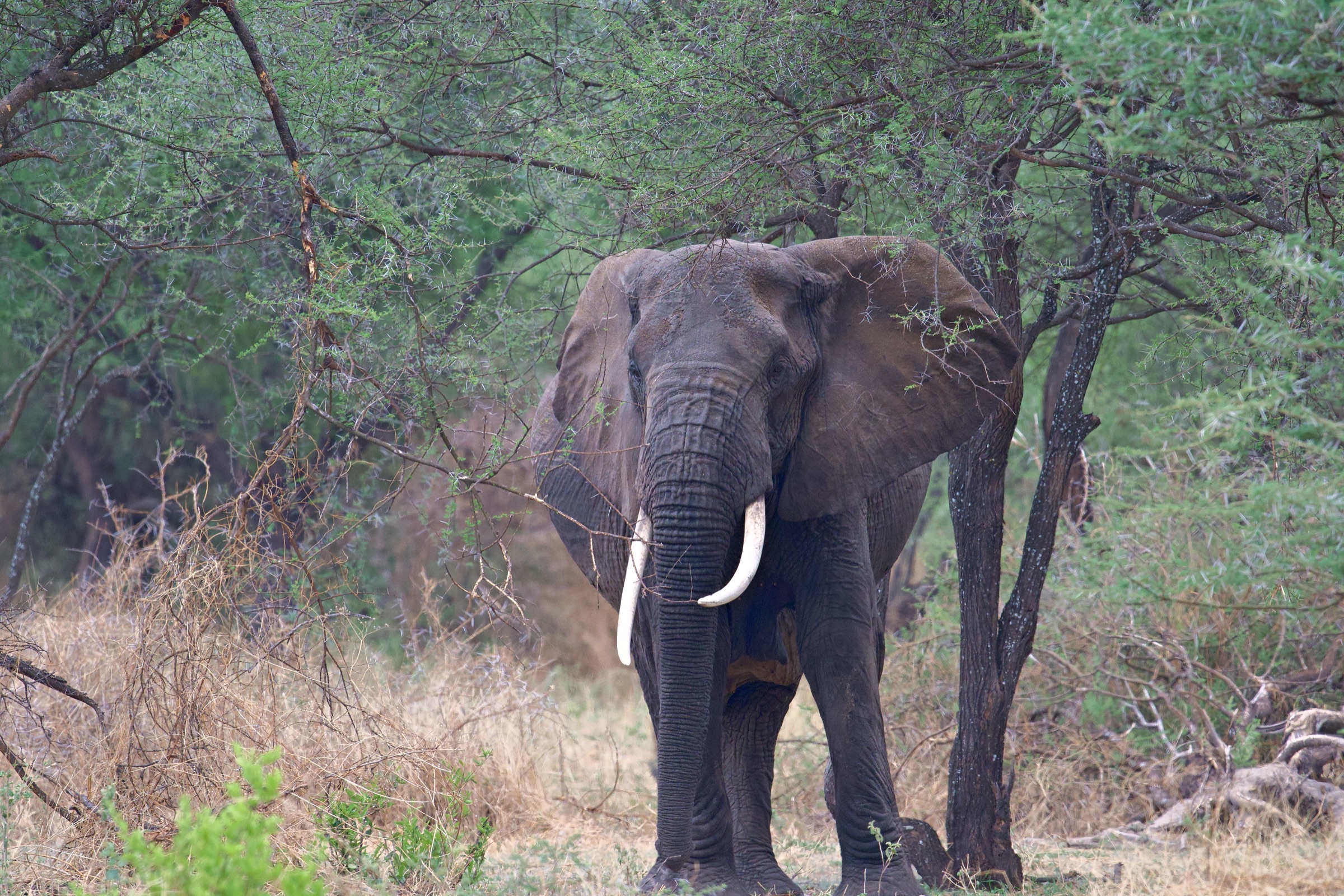
A bull elephant with long white tusks facing the camera head-on from the shade of an acacia thicket, ears spread wide.
The TuskerTanzania

Deep in the acacia shade a bull turns to face the lens, ears spread wide — ivory catching what little light filters through the thorns.

View & order this print →
Own the photograph
Museum-quality prints from 16-bit masters — metal, canvas or archival fine-art paper, printed in the USA.
Order a print

Questions people ask

How big is an African elephant?

A large savanna bull stands up to about 13 feet at the shoulder and weighs around 13,000 pounds, some 6 tonnes. Cows are considerably smaller.

Are African elephants endangered?

Yes. The IUCN listed the African savanna elephant as Endangered in 2021 and the smaller forest elephant as Critically Endangered, after decades of poaching and habitat loss.

What are tusks made of?

Ivory, which is dentine. Tusks are the elephant's upper incisor teeth, and they keep growing through life, which is why the oldest bulls carry the biggest.

Sources
  1. IUCN Red List, Loxodonta africana (2021)
  2. Amboseli Trust for Elephants: Amboseli Elephant Research Project
  3. Smithsonian's National Zoo: African elephant fact sheet
  4. National Geographic: African elephant
More animals
LionThe only cat that lives in a family LeopardThe big cat that hauls its dinner up a tree CheetahThe fastest animal on land Spotted HyenaNot a scavenger: Africa's most successful hunter All 17 animalsLand & ocean